
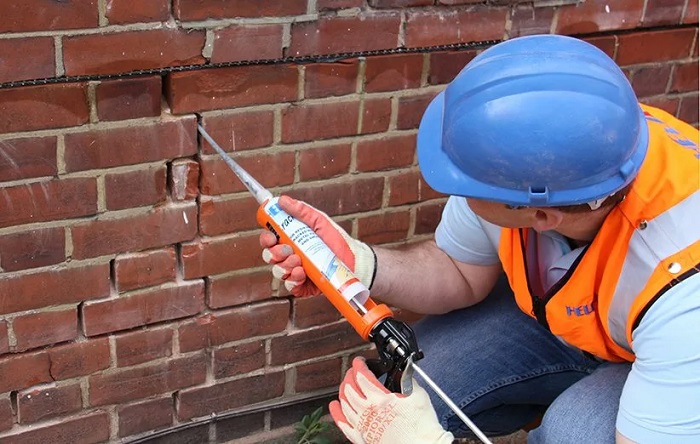
Wall cracks can occur for a variety of reasons, including building settlement, temperature fluctuations, or renovation work. Not only do they detract from the aesthetic appearance of the room, but they may also indicate the need for repairs to prevent further damage. Find out more at https://asapreno.ca/.
Effective Methods for Repairing Cracks in Walls of Different Structures and Materials
Wall cracks can occur for a variety of reasons, including building settlement, temperature fluctuations, humidity, or improper finishing. To successfully repair cracks, it is important to correctly identify their nature and select a repair method appropriate to the wall material and its structural features.
Using the right technologies and materials will help ensure the durability of the repair and prevent further damage. Below are effective methods for walls made of various materials and with different structures.
Repairing Cracks in Brick and Stone Walls
To repair cracks in brick and stone walls, it is recommended to use cement-sand mortars or a special silicate-free mixture. Before applying the mixture, clean the crack of dust, dirt, and weakened areas. Deep cracks may require sealing with reinforcing mesh or inserts to strengthen the structure. After the repair mixtures have completely dried, additional plaster can be applied to level the surface and prevent further damage.
Treating Cracks in Drywall and Gypsum Walls
To repair cracks in drywall structures, use putty and special reinforcing tapes. First, remove protruding parts or damaged areas, then attach the reinforcing tape to the center of the crack. A layer of putty is then applied, which, once dry, is sanded to create a smooth surface. For small cracks, a few layers of putty are sufficient, while larger damage will require more thorough reinforcement and subsequent finishing.
Technologies for Concrete and Monolithic Walls
Special cement-based repair mortars with plasticizers are used to repair cracks in concrete surfaces. The process involves preparing the crack: cleaning it of debris and moistening it. After this, the repair mortar is applied to the damaged area, securing it in place with a spatula. For long cracks, it is recommended to use insulating inserts or reinforcing mesh to increase strength. After hardening, the surface is sanded and coated with a protective layer.
Practical recommendations for filling and reinforcing cracks of various sizes and shapes
To ensure the durability of the repair, it is important to select the right materials and methods depending on the size and shape of the crack. Incorrect treatment can lead to recurrence of damage or deterioration of the walls’ appearance. This article provides clear recommendations for repairing cracks of varying complexity and size.
Before starting work, thoroughly prepare the surface: clean the crack of dust, debris, and old fillers, and ensure good adhesion of the materials used. Follow these step-by-step recommendations to ensure a strong and durable wall restoration.
General Recommendations for Filling and Strengthening Cracks
- Surface Cleaning: Remove dust, debris, and chemicals to ensure good adhesion.
- Crack Treatment: If necessary, widen small cracks to ensure a complete filling coverage.
- Using the Right Materials: Choose fillers, cement mortars, or specialized sealants depending on the type of damage.
- Depth Control: Fill cracks in stages to avoid air pockets and ensure uniformity.
- Strengthening and Anchoring: For larger cracks, use reinforcing mesh or inserts to strengthen the surface.
Recommendations for Working with Cracks of Various Sizes and Shapes
- Small Cracks (up to 1 mm): Clean the surface and apply a thin layer of sealant or filler; repeat if necessary.
- Medium cracks (1 to 5 mm): widen if necessary, apply primer, and fill with cement mortar or putty with reinforcing mesh.
- Large cracks (over 5 mm): be sure to clean and reinforce the crack edges with metal or plastic inserts; fill with a mixture containing reinforcing fibers or mesh.
- Shaped cracks: for shaped cracks, use flexible sealants and special plaster mixes to maintain their shape during repair.
Efficient crack repair is the key to the durability of walls and the safety of the premises. It is important to correctly determine the size and characteristics of the damage, select suitable materials, and follow the work procedure. Regular monitoring of the walls and timely repair of cracks will help avoid more serious problems major repairs and costs.