
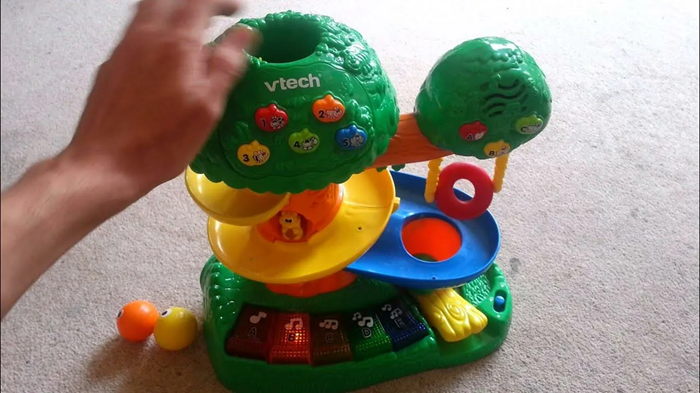
One method of teaching children is to develop cognition through play. This is the principle adopted by VTech. They create educational toys for children ages 0 to 10.
To understand the features and capabilities of such entertainment, you can read the instructions for the VTech Tacti Flotte game on the manualmachine.com
Product Range
The toys themselves contain electronic components, which is linked to the company’s history. However, they are designed to be enjoyed by young children.
Distinguishing features include the use of safe plastic parts; they are tactilely pleasant and hypoallergenic. The toys themselves help develop communication, cognitive, and musical abilities, improving children’s skills and performance. For the youngest children, these toys help recognize colors and sounds, and teach counting.
The toys are interactive and provide feedback to children.
Brand History
It all began in Hong Kong in 1976. Local entrepreneurs decided to create a collection of video games that were popular at the time. One of the devices was a game console for TVs. The company initially focused on the UK market, as Hong Kong was under its control at the time and television standards were the same. Then it entered the US market.
However, this was done under the brands of other distributors, so in 1980, the founders decided to change the situation and created their own company, calling it VTech. It was under this name that the first electronic educational game, Lesson One, was introduced. It taught spelling and mathematics. Another game console followed, this time under its own brand.
Computers were then developed and released, compatible with both the IBM PC and Apple II platforms. This meant focusing on versatility and meeting the needs of all consumer groups.
In 1991, the company developed and began selling a completely wireless telephone, which now forms one of the foundations of its modern business.
Currently, the company also develops and releases electronic learning programs. Toys are an important part of production and sales, using their own interactive applications.
In the last twenty years alone, the company has received several hundred awards for its educational toys. The products are licensed for sale in all developed countries of the world.