
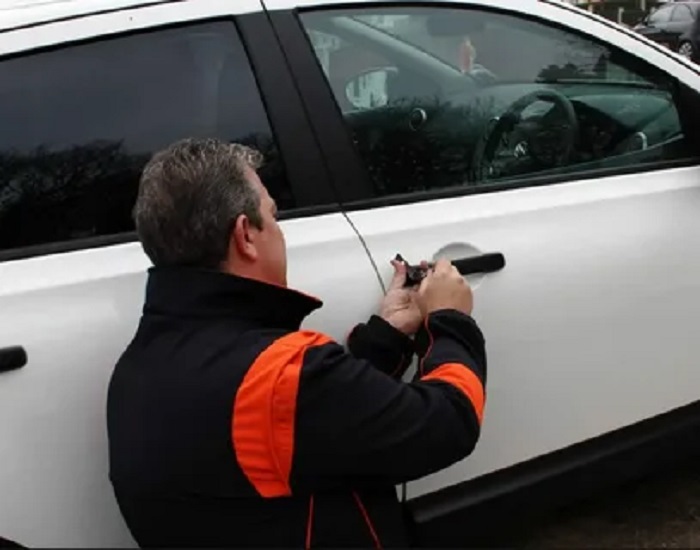
Situations with lost keys, a locked lock, or a dead battery can happen at any time, and it’s important to act legally and safely. Vehicle unlocking must be performed carefully, without damaging the body, locks, or electronics, taking into account the design features of the specific model and adhering to vehicle access regulations.
Before calling a technician, prepare documents confirming your ownership or use of the vehicle, and make sure the technician is prepared to explain the work procedure and potential risks. If you need to quickly find a technician, you can order a car unlocking service on https://carlocksmithguelph.ca/, confirming the cost, arrival time, services, and warranty in advance.
When is vehicle unlocking legal?
Vehicle unlocking is considered legal only if there are sufficient grounds: the owner’s consent, verified right to dispose of the vehicle, or the involvement of authorized bodies in cases stipulated by law. Any actions to open the doors, trunk, or locks without such a basis may be considered tampering with someone else’s property.
Even if the situation appears “harmless” (for example, the keys are left inside), it is important to determine in advance who is initiating the break-in, on what basis, and what documents support this. Proper documentation reduces the risk of conflicts, damage claims, and accusations of unauthorized access.
Documents and Owner Consent
The simplest and safest option is the owner’s presence and explicit consent to the break-in. If the owner is nearby, it is advisable for them to present identification and vehicle documents (e.g., registration certificate or other documents confirming their connection to the vehicle). Before starting work, it’s helpful to discuss the terms and conditions: what exactly needs to be opened, whether alternative methods are acceptable, and how any damage will be recorded.
If the owner is absent but another person gives permission, proof of authority is required: a power of attorney, documents confirming the right of use, and, in some cases, proof of representative status (for example, under a rental/leasing agreement). Consent is best recorded in the form of a message, a call recording, or written confirmation; This is especially important if the opening is performed by a third-party specialist and there is a risk of a dispute over who authorized access.
- Owner’s consent: verbal in person or recorded (message/written).
- Identity verification: an identity document of the owner/representative.
- Vehicle documents: confirm the person’s connection to a specific vehicle.
- Proof of authority: power of attorney, rental/leasing agreement, or other grounds.
When to call the police
Calling the police is advisable if there are signs of a dispute or risk of a crime: the owner of the vehicle is unknown; the person requesting the opening cannot verify authority; there are signs of a break-in or attempted theft; the vehicle is in a secure area; Or an autopsy is required due to extraordinary circumstances (threat to life or health, a child or animal in the vehicle, fire hazard, etc.). The presence of employees helps document the circumstances, prevent accusations of unauthorized action, and reduce the likelihood of conflict.
To act correctly, follow a simple procedure: first, assess safety (is there a threat to people), then try to contact the owner, and then, if there are no clear grounds for an autopsy, call the police and wait for their instructions. Until the officers arrive, do not take any actions that could appear to be an attempt at unlawful entry, especially if you are not the owner and cannot verify your authority.
- Check the grounds: who is the owner and whether there is consent/documentation.
- Assess the urgency: is there a threat to life/health or safety?
- Contact the owner: by phone, through security, the administration, or a towing service.
- Call the police: if the grounds are questionable or there are signs of a crime.
- Record the situation: take photos/videos before and after to avoid disputes about damage.