
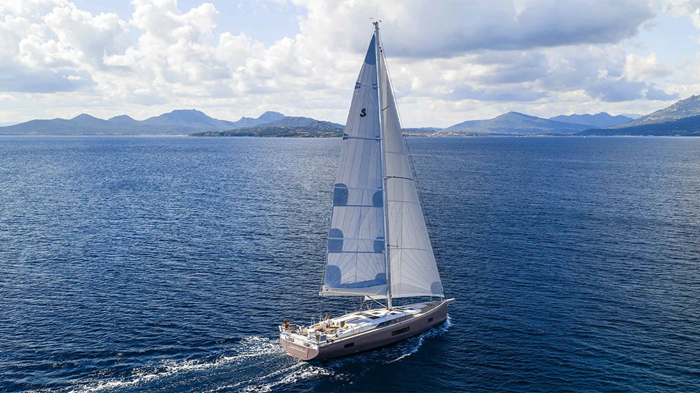
A sailboat is a vessel that uses wind energy through a system of sails, masts, and rigging to propel itself through the water. Unlike motorboats, sail aerodynamics, hull balance, and the crew’s careful handling of the rig are key.
Sailboats Yacht Charter Advisor come in training and racing versions, pleasure and ocean-going, monohull and multihull. Regardless of class, the goal is the same: to convert wind into propulsion while maintaining control and safety in changing weather conditions.
Advantages of sailboats
Sailboats are prized for their combination of autonomy, environmental friendliness, and a unique sailing culture. In a cruising format, a sailboat allows for extended periods on the water, saving fuel and maintaining a cruising range even with limited resources.
Key Benefits
- Efficiency: The wind provides the primary thrust, with the engine used as an auxiliary.
- Environmental Friendliness: Fewer emissions and noise compared to continuous engine operation.
- Controllability and Maneuverability: With properly adjusted sails, the vessel maintains a steady course and rides waves smoothly.
- Skill Development: Sailing practice teaches weather analysis, discipline, and teamwork.
Sailboat for Travel and Rental
When choosing a route and boat, it is important to consider the season, wind conditions, crew training, and the type of water. A yacht charter advisor can help with this by matching your travel goals with the yacht’s class, sail area, and level of safety equipment.
Sailboat Handling Rules
Sailboat handling is based on three steps: choosing a course relative to the wind, adjusting the sails to the current course, and controlling speed/heel. Any command on board should be short, clear, and confirmed by the person performing it, especially when turning.
Basic Techniques: Trim and Balance
- Choosing the Angle to the Wind: The closer to the wind, the more important precise trimming is – a small error can “choke” the sail and stop the boat.
- Tuning the Sheets: The sails are trimmed until the “swing” disappears, but without excessive hauling, which increases the heel and impairs performance.
- Heel Control: As the wind increases, reduce the sail area (reefing), shift the crew’s weight to the windward side, and adjust the course.
- Coordinating the Rudder and Sails: The rudder sets the direction, but course stability is achieved by balancing the forces on the mainsail and Staysail.
Turns: Tacking and Gydewinding
Tacking – turning the bow into the wind. Before the maneuver, increase speed, give the command, shift the rudder, then at the right moment, throw the staysail over and heave the sheet on the new tack. Gydewinding – turning the stern into the wind; It requires increased attention due to the risk of a sudden boom overshoot, so controlled release/hauling of the mainsail is used and, if possible, prevention of an involuntary “boom” is used (for example, holding the boom with tackle).
Safety and mandatory habits
- Weather check: wind, gusts, fronts, fog, thunderstorm activity, and wave height are assessed before setting out and during the route.
- Life-saving equipment: life jackets that fit, safety harnesses for strong winds/at night, first aid kit, and communication equipment.
- Order on deck: sheets and halyards should not get tangled underfoot; Winches and stoppers are operated on command.
- Rules of Passage: Respect the priorities of vessels, especially when crossing courses and in narrow channels.
A Brief Reminder for the Helmsman
Proper sailboat control is a combination of technique, observation, and discipline. The more accurately you understand the wind and sail settings, the safer and faster the vessel will reach its destination, preserving crew comfort and the lifespan of the rig.
Summary: What is a sailboat and how is it different from a motorboat?
A motorboat is a vessel where the main thrust is generated by the engine and propeller/jet, and control is based on the engine mode and course. Even with small auxiliary sails, such a vessel remains a motor vessel if the motor determines movement and maneuverability.
- Source of thrust: a sailboat – the wind through the sail, a motorboat – the engine.
- Control method: a sailboat – heading + sail trimming (tack work, tacking), a motorboat – heading + thrust/reverse and speed.
- Limitations and capabilities: a sailboat depends on the wind and requires maneuver planning, a motorboat is more autonomous in calm weather, but is more dependent on fuel and the technical condition of the engine.
- Behavior on the water: a sailboat often makes wide arcs and picks up speed gradually; a motorboat usually accelerates faster and maneuvers “by force.”
- Rules of Passage: In many situations, the type of speed and maneuver limitations are taken into account; observation, early action, and clear signals are important.
Summary: You can distinguish a sailing vessel from a motorized vessel by what exactly provides propulsion and by what means the maneuver is performed. Understanding this difference helps you correctly assess the situation, plan actions in advance, and safely navigate the vessel in accordance with the rules of the road.