
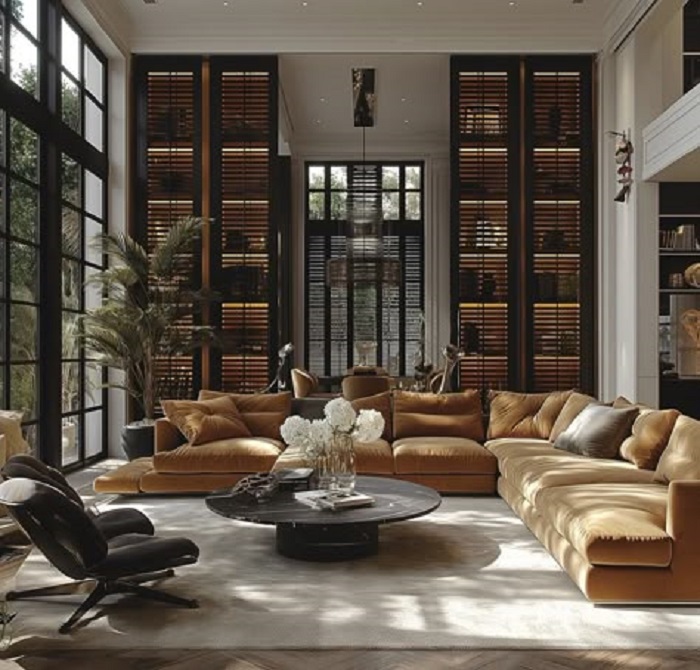
Luxury interiors are no longer about excess — they are about intention, identity, and the art of living well.
In the past decade, the meaning of luxury in interior design has undergone a quiet but powerful transformation. Gone are the days when opulence was measured purely by price tags, gold accents, or ornamental overload. Today’s luxury interiors reflect modern lifestyles that value experience over possession, individuality over status, and well-being over display.
At the intersection of architecture, design, and psychology, contemporary luxury spaces tell a deeper story — one about how we work, rest, socialize, and reconnect with ourselves. Carefully curated luxury furniture, thoughtful spatial planning, and tactile materials now work together to create homes that feel personal, functional, and quietly sophisticated.
The New Definition of Luxury: Less, But Better
Modern luxury is subtle. It whispers rather than shouts.
Instead of visual excess, high-end interiors now prioritize craftsmanship, longevity, and authenticity. A handcrafted dining table made from solid wood carries more prestige than a glossy mass-produced alternative. A perfectly proportioned sofa, upholstered in natural fabric, speaks volumes without demanding attention.
Key shift: Luxury today is defined by how a space feels, not how much it costs.
- Natural, tactile materials over synthetic finishes
- Custom-made pieces instead of fast décor
- Timeless silhouettes rather than trend-driven shapes
- Quality lighting that enhances mood and architecture
This refined approach mirrors a broader cultural movement toward conscious consumption and meaningful ownership.
“True luxury is the freedom to live comfortably, beautifully, and authentically — without excess.”
Interiors as a Reflection of Lifestyle, Not Status
Luxury interiors have become deeply personal. They are no longer designed to impress outsiders, but to support the daily rituals of those who live within them.
As lifestyles evolve, so do interior priorities:
- Remote work has elevated the importance of well-designed home offices
- Wellness culture has influenced layouts, lighting, and material choices
- Social living has blurred the lines between kitchens, dining, and lounge areas
A modern luxury home might feature a minimalist workspace bathed in natural light, a spa-inspired bathroom designed for decompression, or an open-plan living area that effortlessly transitions from quiet mornings to evening gatherings.
Design is no longer decorative — it is functional storytelling.
The Rise of Emotional Design
One of the most significant trends shaping luxury interiors today is emotional design — spaces created to evoke calm, inspiration, or comfort.
Modern homeowners are increasingly aware of how their surroundings affect mental and emotional well-being. As a result, designers focus on:
- Soft, layered lighting instead of harsh overhead fixtures
- Earthy, neutral palettes that reduce visual noise
- Organic shapes that echo nature
- Acoustic comfort through textiles and spatial zoning
Luxury, in this context, becomes a form of self-care.
“A well-designed interior should lower your shoulders the moment you walk in.”
Materials That Speak: Texture Over Shine
In contemporary luxury interiors, materials do the talking.
Rather than glossy finishes and reflective surfaces, modern design favors textures that invite touch and age gracefully over time. Stone, wood, linen, wool, leather, and clay are celebrated for their imperfections and tactile richness.
This material honesty creates interiors that feel grounded and timeless. The beauty lies not in perfection, but in character.
Flooring, wall finishes, and textiles are chosen not just for visual impact, but for how they contribute to the sensory experience of the space.
Rugs as Functional Art in Modern Luxury Spaces
Among the most underestimated elements in luxury interiors are rugs — yet they play a crucial role in defining space, mood, and identity.
Today’s designers treat rugs as functional art pieces. They anchor furniture, soften acoustics, and introduce warmth without overwhelming a room. In open-plan homes especially, rugs help create visual boundaries while maintaining flow.
Thoughtfully selected modern designer rugs often feature abstract patterns, muted color palettes, or sculptural textures that complement contemporary architecture.
The result is a layered interior that feels intentional rather than decorated.
Customization: The Ultimate Luxury
If there is one element that truly defines modern luxury, it is customization.
From bespoke furniture dimensions to tailored storage solutions, today’s high-end interiors are designed around the individual — their habits, preferences, and routines.
This approach acknowledges a simple truth: no two lifestyles are the same.
- Custom wardrobes that reflect daily routines
- Seating designed around how people actually relax
- Kitchens planned for social cooking, not just aesthetics
Luxury becomes deeply human when it adapts to life, rather than forcing life to adapt to design.
Technology, Seamlessly Integrated
Modern luxury interiors embrace technology — but invisibly.
Smart systems now control lighting, climate, sound, and security with minimal visual presence. The emphasis is on ease and comfort, not gadgetry.
Wires are hidden. Interfaces are intuitive. Technology enhances the experience without dominating it.
This seamless integration reflects a broader desire for calm environments in an increasingly digital world.
Sustainability as a Status Symbol
Perhaps the most defining characteristic of contemporary luxury interiors is sustainability.
Ethically sourced materials, environmentally responsible manufacturing, and long-lasting design choices are no longer optional — they are expected.
Choosing fewer, better-made items is now considered a mark of sophistication.
Sustainable luxury is not about compromise. It is about thoughtful design that respects both the planet and the people who inhabit the space.
Luxury That Evolves With You
Luxury interiors today are not static showpieces — they are living environments that evolve alongside modern lifestyles.
They prioritize comfort over excess, meaning over display, and authenticity over trend. They reflect how we live now: fluidly, consciously, and with intention.
In this new era, luxury is not defined by what you own, but by how your space supports the life you want to live.
And that is perhaps the most modern form of luxury of all.