
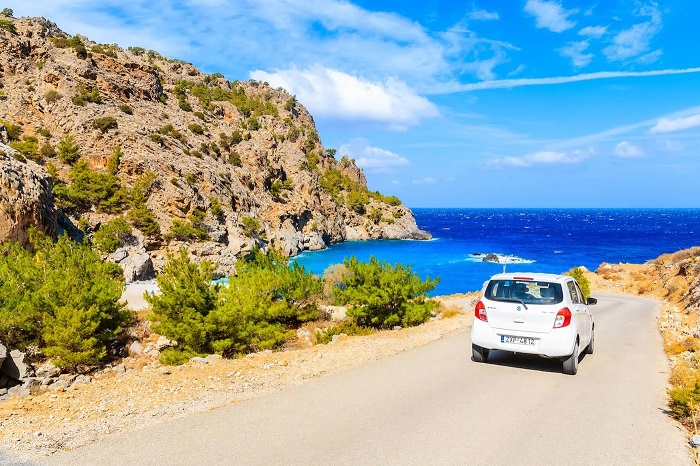
Palma is easy to explore on foot, but arriving by car can be practical when the city is part of a wider Mallorca road trip. A rental car lets you visit the capital before continuing towards Valldemossa, Sóller, the Serra de Tramuntana or the beaches east of Palma. The challenge is not reaching the city. It is knowing where driving is permitted and choosing a suitable parking place before entering the historic centre.
In 2026, Mallorca remains one of Europe’s most attractive destinations for independent travel, and Palma is a natural starting point. Visitors who understand the city’s ZBE and ACIRE restrictions can enjoy the flexibility of a car without wasting time in narrow streets or risking an avoidable fine.
When Is a Car Useful in Palma?
A car is rarely needed for travelling between Palma’s main attractions. The cathedral, Parc de la Mar, La Lonja, Passeig del Born, Plaça Major and Mercat de l’Olivar are all within a walkable area. Once the vehicle is parked, exploring the centre on foot is usually faster and more enjoyable.
The real advantage appears when Palma is combined with destinations outside the city. Valldemossa is roughly a 30-minute drive in normal traffic, while Sóller can usually be reached in around 35 to 45 minutes. Beaches such as Cala Blava and Cala Pi are also easier to visit by car, especially when travelling with children, luggage or beach equipment.
For this type of itinerary, a compact vehicle is often the best choice. It is easier to manage inside Palma’s underground garages and more convenient on the narrower roads found in mountain villages. Travellers can compare suitable vehicles through RentGo Mallorca before planning their route.
What Drivers Need to Know About Palma’s ZBE
Palma’s Low Emission Zone, known locally as the ZBE, covers the historic centre inside the Avenidas and the seafront. Its boundary follows major roads such as Passeig Mallorca, Avinguda de Portugal, Avinguda d’Alemanya, Plaça d’Espanya, Avinguda d’Alexandre Rosselló and Avinguda de Gabriel Alomar.
Entry points are monitored by cameras that read number plates. For vehicles registered in Spain, the system checks the environmental classification directly through the DGT database. Drivers do not have to display a physical emissions sticker, although the vehicle must belong to an eligible category.
Until 31 December 2026, Spanish registered passenger cars with DGT labels B, C, ECO or Zero can enter the ZBE. Vehicles without an environmental classification generally require a specific exemption or authorization. Most modern rental cars supplied in Mallorca comply with the current rules, but confirming the environmental category at collection remains a sensible precaution. A violation of the ZBE access rules can result in a EUR 200 fine.
Vehicles registered outside Spain require additional attention because foreign number plates are not automatically classified by the DGT. To enter the ZBE, an eligible foreign vehicle must be registered with Palma’s authorization system at least five calendar days before the planned visit.
During 2026, qualifying foreign passenger cars include petrol vehicles meeting Euro 3 or later standards and diesel vehicles meeting Euro 4 or later standards. Approved electric, hybrid and alternative-fuel vehicles can also qualify. Applicants may need to submit an identity document, registration certificate, technical vehicle information, proof of ownership or a rental contract and evidence that the vehicle entered Mallorca, such as a ferry ticket. The temporary permission can remain valid for up to 30 calendar days from the requested access date.
Why ACIRE Restrictions Cause Confusion
The ZBE is not the only controlled area in central Palma. Several parts of the old town are covered by a separate system called ACIRE. These restricted traffic sectors include Catedral, La Calatrava, Santa Eulàlia, Sant Jaume, Drassana and Plaça del Mercat.
A vehicle may satisfy the ZBE emissions requirements and still be prohibited from entering an ACIRE street. Access is limited to authorized vehicles and specific exempt categories. This distinction matters because some navigation applications may direct drivers through a restricted entrance when calculating the shortest route.
Always follow local traffic signs and camera warnings instead of relying only on the navigation system. If the route enters a narrow street marked ACIRE, do not continue unless the vehicle has confirmed permission for that sector.
Hotels and licensed holiday properties located inside ACIRE areas can request access for their guests. Contact the accommodation before arrival, provide the number plate if requested and ask which streets must be used. A room reservation by itself does not necessarily mean that the vehicle has been authorized. Access arranged by a hotel also does not automatically allow parking in regulated ORA spaces.
Where to Park for an Easy Visit to Palma
The most reliable approach is to select a public garage in advance and use its exact name as the navigation destination. Parc de la Mar is convenient for the cathedral, the waterfront and La Lonja. Via Roma works well for Plaça d’Espanya and the northern side of the historic centre. Other central options include Plaça Major, Mercat de l’Olivar, Comtat del Rosselló and Sa Gerreria.
Palma provides designated routes to approved public car parks within the ZBE. According to the city’s official guidance, drivers using the indicated entry and exit routes do not need a separate ZBE authorization solely to access these garages. The exemption applies to the prescribed route and does not permit detours through neighbouring ACIRE streets.
Foreign registered vehicles need particular care. Palma also states that foreign plates must have the corresponding authorization to enter the ZBE. For that reason, visitors bringing their own car by ferry should complete the foreign vehicle registration even if they intend to use a public garage. This avoids relying on an interpretation of the parking exemption at a camera-controlled entrance.
During summer, weekends and major events, central garages may become busy. Arriving earlier in the day reduces the risk of queues. It is also worth checking the height limit if travelling in a large SUV or passenger van. Once parked, leave the car in one place rather than attempting to drive between attractions.
Visiting Palma by rental car is straightforward when the city is treated as one stop in a wider Mallorca itinerary. Confirm that the car meets the ZBE standard, arrange authorization for foreign plates when necessary, avoid ACIRE streets and choose a public garage before departure. This approach makes Palma easier to navigate while preserving the freedom to continue towards Mallorca’s villages, mountain roads and coastline.