
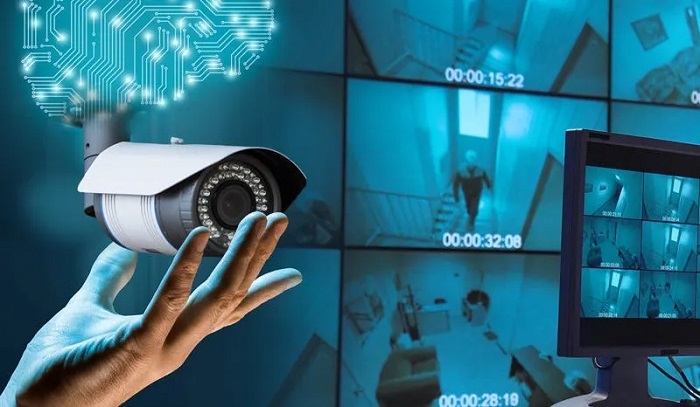
Modern security systems have evolved far beyond traditional surveillance cameras. With the integration of artificial intelligence (AI) and smart analytics, CCTV systems can now do more than just record video—they can detect threats, analyze behavior, and alert security teams in real time. These advancements enhance security efficiency, reduce response times, and provide actionable insights that were previously impossible with conventional cameras.
This article explores how AI and smart analytics improve CCTV security, the technologies involved, and their benefits for homes, businesses, and public spaces.
Understanding AI in CCTV Systems
AI in CCTV systems involves using algorithms to process video footage and identify patterns, anomalies, or specific objects. Unlike traditional cameras that rely solely on human monitoring, AI-enabled cameras can:
- Detect unusual movement or behavior
- Recognize faces or license plates
- Identify unattended objects
- Classify vehicles or people
By automating these processes, AI reduces the need for constant human surveillance and enables faster, more accurate decision-making.
Smart Analytics Features in CCTV
Smart analytics is the application of AI to interpret and analyze video data. Common features include:
1. Motion Detection and Tracking
AI can differentiate between relevant and irrelevant motion, reducing false alarms triggered by animals, shadows, or weather conditions. Smart tracking ensures that moving objects or individuals are followed across multiple camera angles.
2. Facial Recognition
Facial recognition technology can identify known individuals or flag unknown persons entering restricted areas. This is particularly useful for access control, workplace security, or identifying potential threats in public spaces.
3. License Plate Recognition (LPR)
AI-enabled CCTV cameras can automatically read vehicle license plates and compare them against databases to detect stolen vehicles or unauthorized access.
4. People Counting and Crowd Analysis
Businesses, airports, and stadiums use AI analytics to monitor crowd density, manage queues, and ensure safety compliance. This feature also supports retail analytics and operational efficiency.
5. Behavioral Analysis
AI can detect unusual behavior patterns such as loitering, sudden running, or trespassing, allowing security personnel to respond proactively.
Benefits of AI and Smart Analytics in CCTV
1. Enhanced Security Accuracy
By filtering out irrelevant data and focusing on real threats, AI reduces false alarms and ensures that security teams respond to genuine incidents.
2. Real-Time Alerts
Smart analytics can trigger instant notifications for suspicious activity, allowing immediate action before incidents escalate.
3. Resource Efficiency
AI minimizes the need for round-the-clock human monitoring, freeing security personnel to focus on critical tasks rather than reviewing hours of footage.
4. Data-Driven Insights
Advanced analytics provide detailed reports on foot traffic, peak activity hours, and security trends. Businesses and organizations can use this information for both operational planning and security optimization.
5. Crime Prevention and Deterrence
Visible AI-enabled cameras act as a deterrent, while the system’s ability to detect and respond quickly prevents theft, vandalism, and unauthorized access.
Applications Across Industries
Residential Security
AI CCTV systems help homeowners monitor property remotely, detect intrusions, and receive instant alerts on suspicious activity.
Commercial and Retail Security
Stores and offices use AI analytics for shoplifting prevention, employee safety, and operational insights like customer flow patterns.
Public Spaces
Airports, train stations, and city surveillance networks leverage AI to detect unusual activity, manage crowd control, and enhance public safety.
Industrial and Critical Infrastructure
Factories, warehouses, and power plants utilize AI-driven CCTV for perimeter security, equipment monitoring, and hazard detection.
Implementing AI and Smart Analytics in CCTV
To optimize CCTV security with AI, consider:
- Camera Quality: High-resolution cameras improve the accuracy of AI recognition and analysis.
- Software Integration: Choose systems that integrate AI analytics with your existing security infrastructure.
- Cloud or On-Premise Storage: Ensure sufficient storage for high-resolution video and analytics data.
- Privacy Compliance: Follow local regulations regarding facial recognition, data storage, and surveillance ethics.
Proper implementation ensures maximum effectiveness while balancing security and privacy considerations.
Conclusion
AI and smart analytics are revolutionizing CCTV security by transforming passive surveillance into proactive, intelligent monitoring. From real-time threat detection and facial recognition to behavior analysis and crowd monitoring, AI enhances accuracy, efficiency, and overall safety.
Businesses, homeowners, and public authorities can leverage these technologies to prevent crime, reduce response times, and gain actionable insights from video data. As AI continues to advance, CCTV systems are becoming smarter, more reliable, and increasingly indispensable in modern security solutions.