
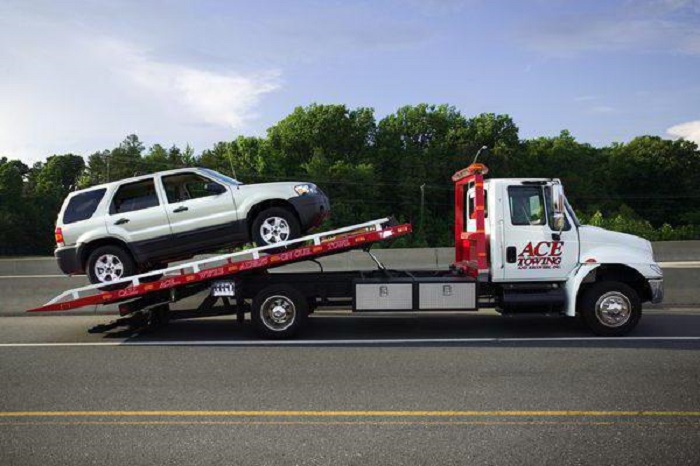
Car towing is a situation that every car owner can face. Knowing the basic rules and recommendations will help you avoid unnecessary problems and adjust your actions if your vehicle has been towed or is awaiting towing.
To better prepare for a possible situation, it’s important to familiarize yourself with the procedures, as well as know where to go and how to properly complete the paperwork.
Car Towing: A Step-by-Step Guide for Beginners
If your vehicle requires towing, it’s important to follow the procedure to avoid conflicts and additional costs. Knowing the basic rules will help you resolve the situation quickly and smoothly.
This guide is designed for beginners and covers every step of the vehicle towing process in detail, from preparation to paperwork.
Key Stages of Vehicle Towing
- Check the situation: find out the reason for the towing, and whether there are any orders or notices from road service personnel.
- Prepare documents: find your driver’s license, vehicle registration documents, and the contract with the emergency service, if applicable.
- Ensure safety: make sure the vehicle is parked in a safe place and there are no obstacles obstructing the tow truck’s operations.
The Towing Process
- Call a tow truck: call a specialized service, confirm the address, and arrange an arrival time.
- Provide the necessary information: provide the exact location of the vehicle, its make, model, and type Obstacles.
- Wait for arrival: Upon delivery, meet the tow truck and accompany the operator on site.
- Securing and loading: Ensure the vehicle is properly secured and inquire with the operator about the loading process.
- Paperwork: Obtain a receipt, contract, or other supporting documents after the towing is complete.
Choosing the Right Vehicle for Towing in Emergency Situations
When quickly and safely moving a damaged or stuck vehicle, it’s important to select the right towing vehicle. The correct choice depends on the type of vehicle, environmental conditions, and the nature of the emergency. This determines the effectiveness of the towing operation and the safety of all involved.
Incorrect selection of equipment can lead to more severe damage to the vehicle, additional time and resources, and risks for those involved. Therefore, before beginning work, it is necessary to carefully assess the situation and determine the most appropriate type of tow truck or other vehicle.
Ensuring Safe Conditions During Towing: Expert Recommendations
Safety is a key component of successful and accident-free vehicle evacuation. Compliance with established rules and recommendations helps avoid potential incidents and damage to both the vehicle being towed and those involved. Experts insist on strict adherence to regulatory requirements and a careful approach to each stage of the evacuation.
Ensuring safety requires a systematic approach, responsibility, and professional skills. This section provides key recommendations to help organize a safe evacuation and minimize risks.
Expert Recommendations for Ensuring Safe Evacuation Conditions
- Conduct a briefing with all parties involved: inform drivers and operators about the procedure, use of special equipment, and safety measures.
- Use appropriate equipment: use only certified evacuation equipment, such as tow cables, ropes, platforms, etc.
- Ensure the safety of others: eliminate obstructions, set up barriers and warning signs around the evacuation area.
- Ensure proper vehicle securing: ensure the vehicle is securely secured to prevent shifting and falls during transport.
- Ensure clear communication: coordinate actions between drivers, operators, and dispatchers using radios or other communication devices.
- Choice Safe evacuation routes: consider road conditions, the presence of obstacles, and avoid narrow and congested areas.
- Comply with regulations and recommendations: strictly adhere to traffic regulations and special requirements for vehicle evacuation.
Ensuring safe conditions during evacuation is a complex of measures that requires responsibility and attention. By following expert recommendations, you can significantly reduce the likelihood of emergency situations and ensure the safety of vehicles, participants, and the environment. Reliable training and professionalism an effective approach is the key to successful and safe vehicle evacuation.