
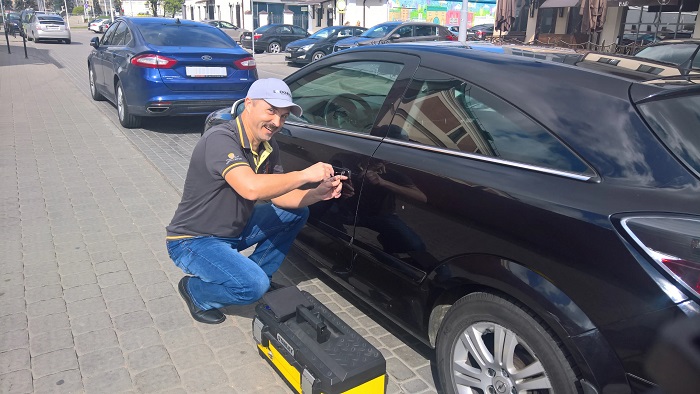
Car unlocking is a service often used when keys are lost, locks are jammed, or the cylinder or electronics are faulty. To operate legally and safely, it’s important to understand who has the right to order an unlocking service, what documents confirm ownership or use of the car, and in what cases the technician is obligated to refuse the work. More about car unlocking on https://carlocksmithcambridge.ca.
In this article, we’ll discuss the basic requirements for vehicle ownership verification, rules for interacting with the contractor, typical restrictions on the time and location of the work, as well as the parties’ liability in the event of damage or disputes. We’ll also pay special attention to the proper recording of consent, possible police involvement if there are doubts about the legality of the request, and recommendations to help avoid risks when unlocking a car.
Legal grounds for unlocking a vehicle without the owner
Opening a car without the owner is permitted only if there are legal grounds and the established procedure is followed. Unauthorized entry, even without intent to steal, may result in liability if there is no proven reason or authority.
As a rule, the legality of such actions is determined by a combination of two factors: the existence of an objective necessity (a threat to life, safety, or property) and the right to act (the authority of an official, the consent of an authorized representative, or the terms of a contract). The higher the risk and the interference with private property, the stricter the requirements for documenting the circumstances.
When can entry be considered legal?
In practice, legal grounds are most often related to preventing harm, ensuring public safety, or following legally prescribed procedures. Documentation of the reasons and results of the actions is usually required to confirm the absence of abuse.
- Extreme necessity: access to the vehicle is required to prevent an immediate danger (e.g., a threat to the life or health of a person inside, signs of suffocation, overheating, or the need for urgent medical attention). In such situations, proportionality is important: only as much is opened as is necessary to eliminate the threat.
- Preventing a crime or ensuring safety: if there are signs of a crime or dangerous objects, as well as when authorized bodies act within their jurisdiction and procedural rules (inspection, detention, seizure, etc.).
- Vehicle towing and removal: if a vehicle obstructs traffic, creates a danger, or violates stopping/parking regulations, authorized services may act according to detention/evacuation procedures; Access to the vehicle’s interior is sometimes necessary to ensure safe loading or to shut down systems that could pose a risk.
- Contract and Authority Execution: Opening is permitted by an authorized service (e.g., an emergency/service agency) upon presentation of proof of ownership of the vehicle by the applicant or legal representative, or under the conditions expressly stipulated by the contract (subject to strict document verification and recording of actions).
- Rescue and Emergency Operations: During the aftermath of road accidents, fires, floods, and other emergencies, specialized services may open the vehicle to rescue people, isolate hazards, or prevent the spread of damage.
Procedural Requirements and Recording of Circumstances
To ensure that opening a vehicle without the owner remains legal, a correct procedure is crucial. Typically, it is necessary to confirm the reason, minimize damage, and ensure auditability of actions – especially when the opening is performed by third parties rather than the owners.
- Verification of authority and reason: determine who is initiating the opening and on what basis (official authority, contract, power of attorney, the need to eliminate a threat).
- Proportionality of intervention: select an access method that causes minimal damage (preferably a gentle opening over destroying elements, if this does not interfere with the urgency of the rescue).
- Recording: if possible, take photos/videos, draw up a report/protocol, indicate the reason, time, place, participants, a list of actions, and what was discovered/seized (if applicable).
- Witnesses and notification: if the owner is absent, the participation of attesting witnesses/witnesses is desirable (if provided for by the procedure) and subsequent notification of the owner or their representative.
- Property security: after access, take measures to prevent theft or loss. (sealing, transfer for safekeeping, securing/securing, formalizing the transfer).
If you have any doubts about the legality of the document or if a conflict arises, it’s safer to refrain from opening it yourself and contact authorized services. This reduces the risk of your actions being classified as unlawful interference with someone else’s property.